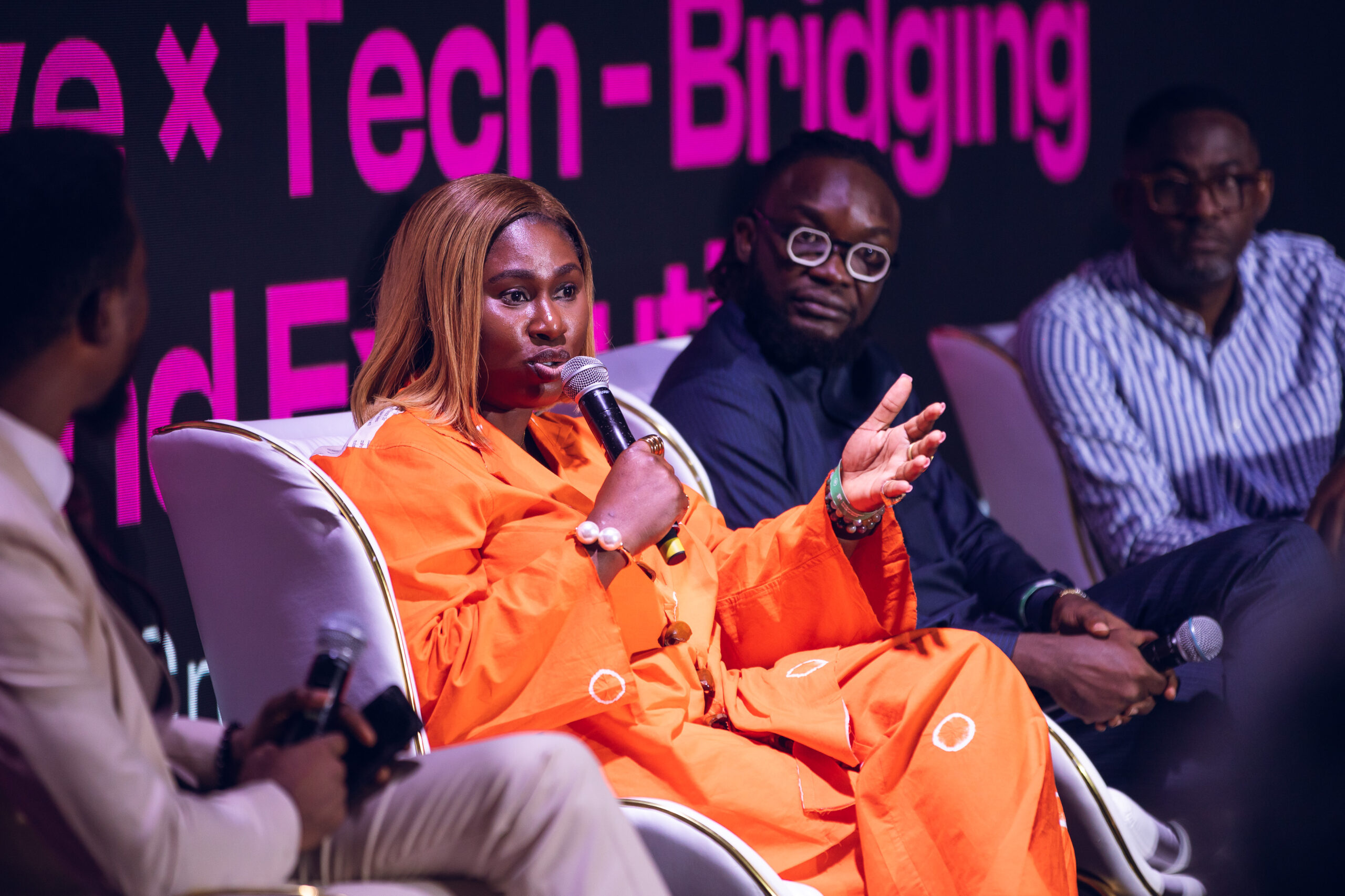
As global demand for African content reaches a fever pitch, a sobering reality remains: visibility is not the same as value. The African film and audiovisual sector is projected to generate $20 billion annually by 2030, yet the majority of that wealth risks leaking through the cracks of a fractured system. At the heart of the solution lies a singular, transformative force: Technology.
“When people talk about the creative industry, the focus is often on talent and output,” says Deola Aromiwura, Head of Commercial Services at Livespot360. “But infrastructure is what makes the industry measurable, scalable, and ultimately investable. That’s where technology becomes critical.”
For years, the African creative economy has been a passenger on global platforms. We have mastered the art of distribution, getting the music to the ears and the garments to the eye, but we have yet to master ownership.
The “Importance of technology in the creative economy” isn’t found in merely having a seat at the table; it’s in owning the table itself. As Aromiwura noted, if we are not actively building or owning the platforms that house our work, we remain mere participants in a value chain controlled by others. Technology is the only bridge to sovereignty.
The most painful irony of the modern creative era is the “monetisation gap.” There is clear global consumption, yet creators are still losing value in the “invisible” layers of the market.
Technology serves as the great equaliser here. Through blockchain-backed transparency, more efficient revenue flows, and automated rights management, tech is closing the gap between a “viral moment” and a “bankable asset.” It transforms the creative process from a chaotic hustle into a structured, revenue-generating engine.
Beyond the creative spark, there is the cold, hard reality of data. To an investor, “vibes” are a liability. What makes a sector “legible” to global capital is behavioural, consumption, and revenue data.
“Investors need visibility,” Aromiwura explained. “They need to understand scale, patterns, and returns. Without data, it’s difficult to unlock serious funding.”
In this sense, technology acts as a translator. It takes the abstract magic of a song or a film and translates it into the metrics that institutional investors can understand. It provides the “visibility” required to turn a small creative shop into a global enterprise.
The integration of technology is even redefining the act of creation itself. Talents like Senmixmaster and Astra are pushing the boundaries of possibility, merging technical precision with artistic vision. But as Tiwa Medubi, Managing Director of Livespot360, emphasised, the ultimate infrastructure is human capital.
The “Importance of technology in the creative economy” extends to how we train our people. Through initiatives like Labspot and the EWA Deal Room, the focus is shifting toward “Creative Enterprise”, building a class of creators who understand contract literacy and operational scaling as deeply as they understand their craft.
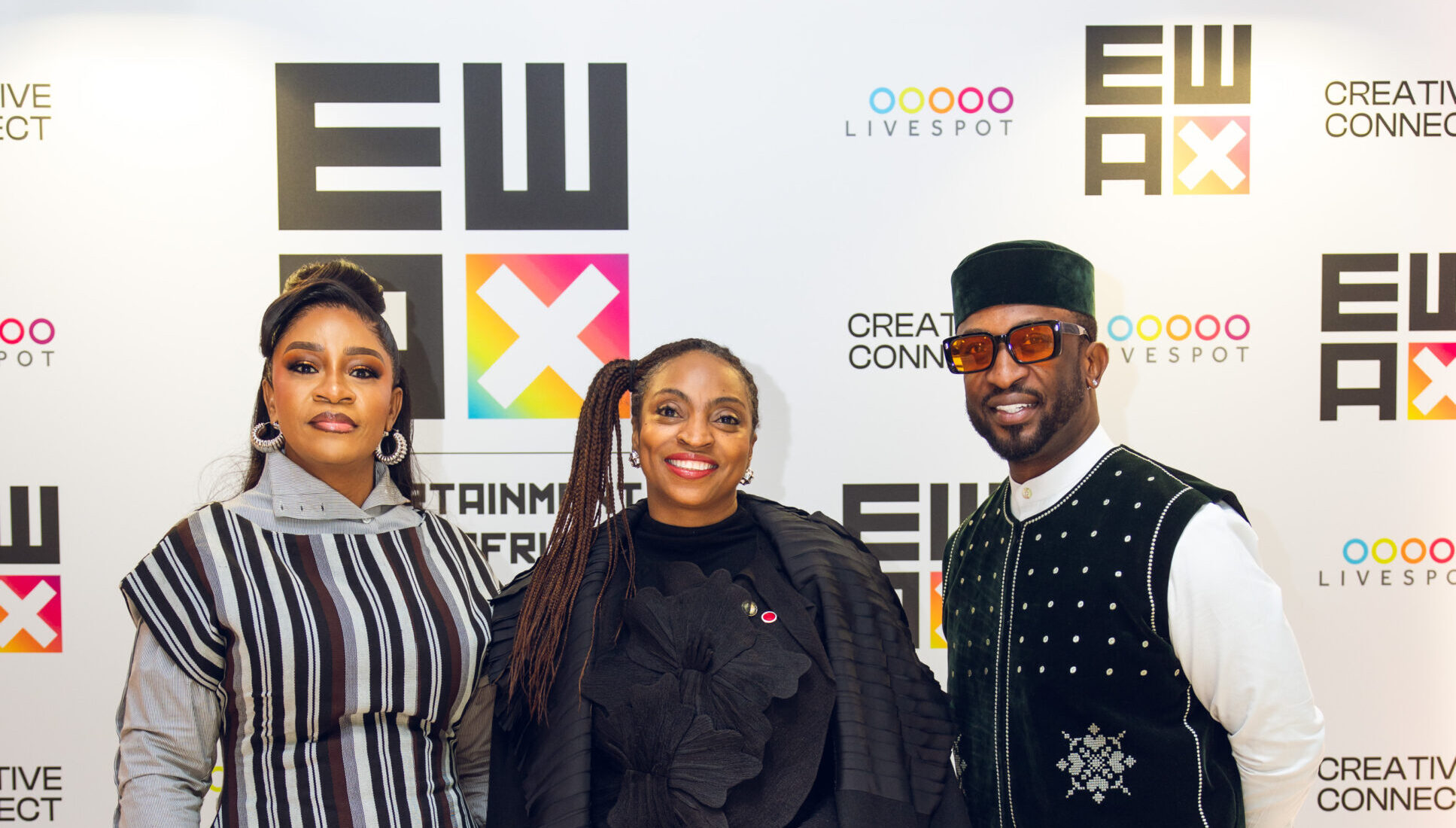
The EWA Creative Connect London was a manifesto for a new era. The opportunity is no longer in discovery; the world has already found Africa. The opportunity now lies in the systems.
As we look toward a $20 billion future, technology is no longer an optional “add-on” for the artist. It is the very ground they stand on. It is the difference between being a cultural moment and being a global monument.