The persistent friction between a creative’s dream and a technician’s reality remains the primary bottleneck in the evolution of African entertainment, often resulting in grand concepts that collapse during the transition to physical execution.
This breakdown typically stems from a siloed “order-taker” relationship where the technical team is excluded until the final stages, leading to a profound misalignment between the intended sensory experience and the actual delivery.
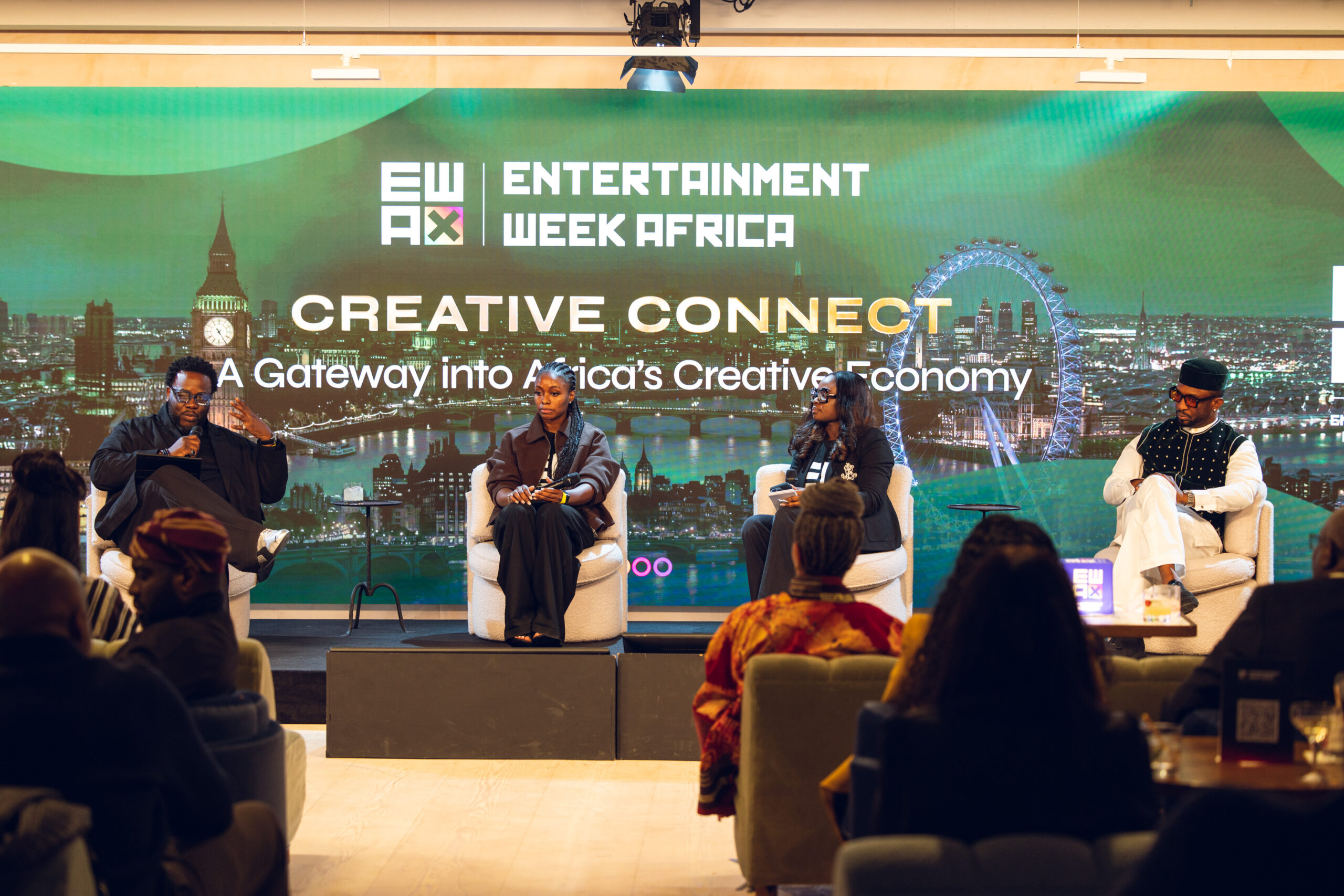
To address this systemic gap, it became necessary to examine the collaborative frameworks established during the Entertainment Week Africa (EWA) session, “Bridging Vision and Execution.” The insights gathered from this discourse, featuring experience designers, visual storytellers, and technical architects, provide a roadmap for transforming these traditional points of failure into a unified process of co-creation.
As a result of this professional interrogation, the industry is moving away from treating an idea as a static document and instead approaching it as a living frequency that requires early sensory alignment. Therefore, the execution succeeds only when technical teams, sound engineers, and lighting designers are integrated into the conceptual stage of a project.
Because this process involves letting the core idea dictate the technical requirements rather than forcing a vision into a rigid hardware checklist, the final experience retains the depth of the original imagination. This shift ensures that by the time a team moves into a venue, they are engaged in a collaborative symphony where the technical output is a direct byproduct of a shared feeling.
This synergy depends heavily on a shared linguistic framework, as the recurring failures in the “creative-technical” divide often stem from a lack of narrative alignment. When both parties view a project as a meeting point of stories, the technologist functions as a co-author who uses light and sound to authenticate the overarching message.
Consequently, miscommunication dissolves because every participant realizes they are heading toward the same destination. This level of collaboration transforms the technologist into a vital storyteller whose work validates the creative vision, ensuring the audience buys into a cohesive and believable extension of the brand.
Furthermore, modern execution operates as a form of psychological engineering where the technical team serves as the architect of the audience’s journey. By balancing sensory reactions to build a 360-degree experience, they bridge the gap between the physical venue and the digital ripple effect on social media.
This meticulous engineering of engagement justifies the creative ambition by delivering the measurable impact and “FOMO” that secures future investments. Thus, the integrity of the creativity is protected because the commercial success of the event is driven by the technical precision of the experience.
The standard for immersive experiences in Africa now relies on radical transparency between these two disciplines. The creative director and the technologist have become twin pillars of a unified roadmap where the story drives the tech and the tech authenticates the story.
Through this shared discovery, the transition from energy to execution becomes a seamless progression, establishing a world where the impossible is merely a prompt for deeper, more sophisticated collaboration.