Africa’s creative economy is entering a new phase; one defined not by talent or visibility, but by infrastructure, ownership, and capital.
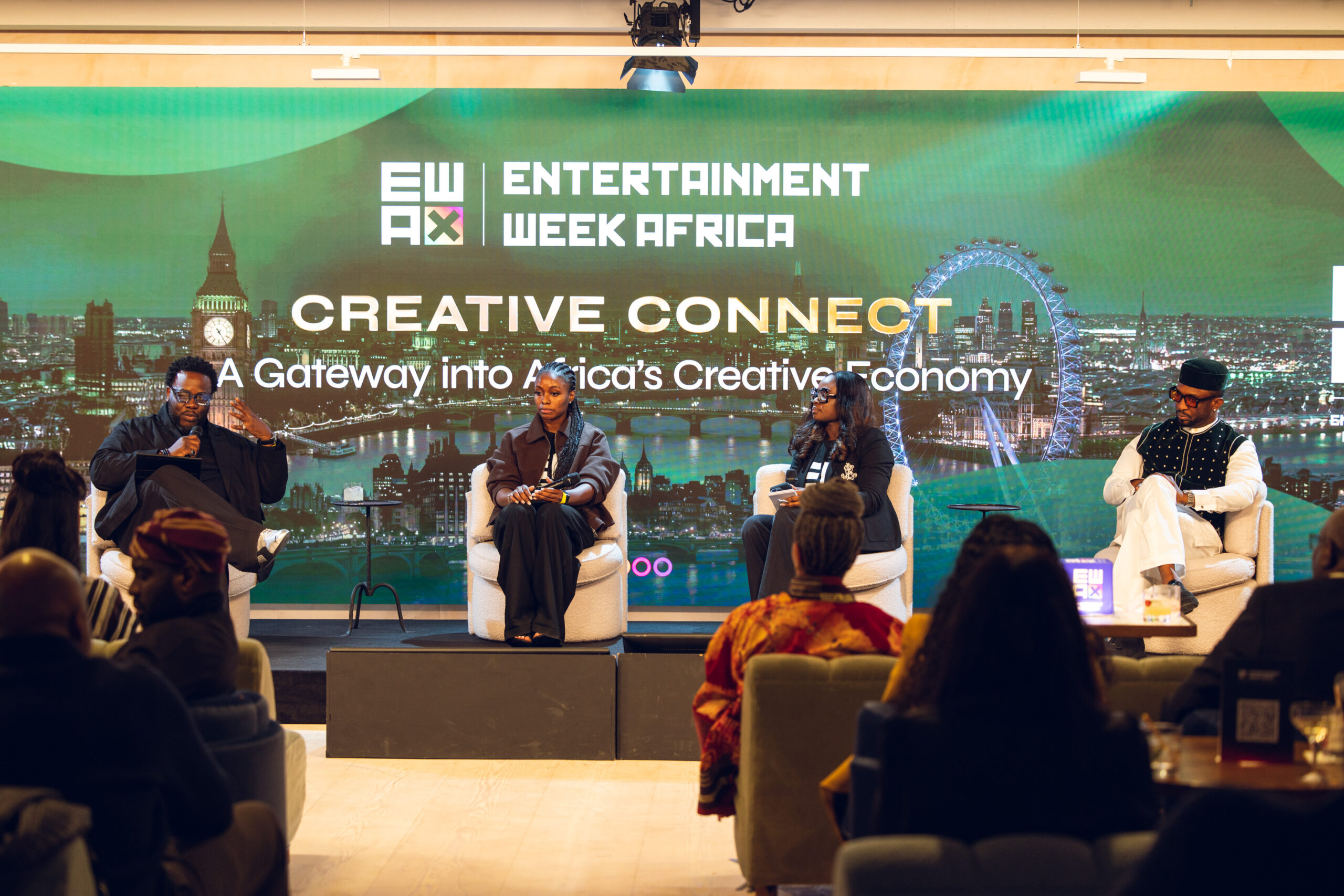
This was the focus of EWA Creative Connect London, held on 19 March 2026 at 180 Studios, following its debut convening in Los Angeles. The event brought together a curated group of investors, policymakers, and industry operators at a time when the UK and Nigeria are strengthening bilateral engagement across trade, investment, and the creative sector.
As global demand for African content continues to rise, a central question is emerging: who captures the value?
With over 60% of Africa’s population under 25 and increasing consumption across music, film, fashion, and live experiences, the opportunity is clear. The African film and audiovisual sector alone is projected to generate over $20 billion annually and create more than 20 million jobs by 2030; but only if structural gaps are closed.
At EWA Creative Connect London, conversations moved beyond potential to focus on execution.
Hosted by Deola and Darey Art Alade, co-founders of Entertainment Week Africa (EWA) and Livespot360, the evening was designed to align capital, policy, and operators around the systems required to scale the industry.
A key theme across discussions was infrastructure. While African creatives have benefited from global distribution platforms, the next phase requires building and owning the infrastructure that drives visibility, monetisation, and control. Without this, the industry risks scaling consumption without retaining value.
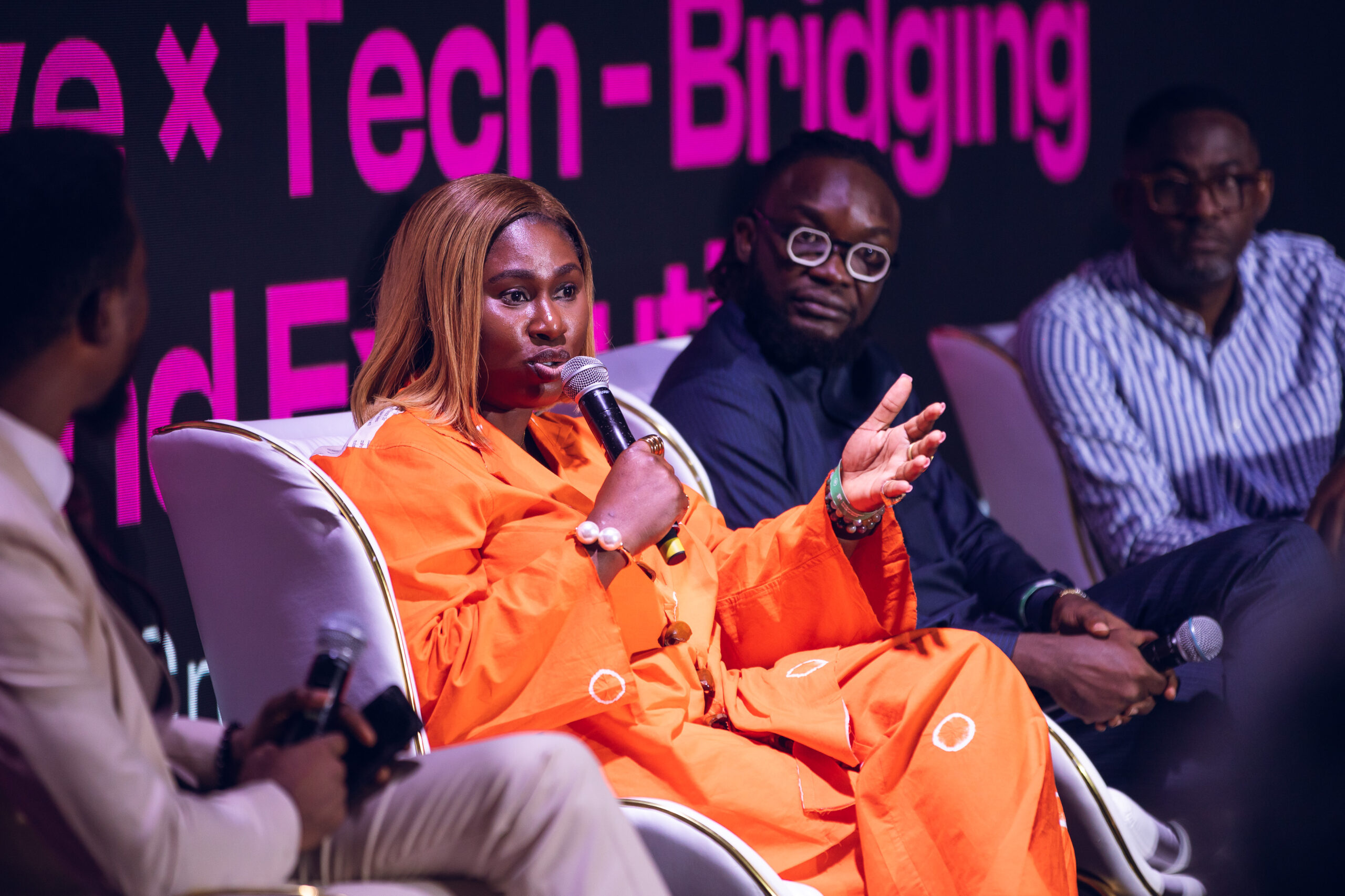
A conversation between Darey Art Alade (Chief Creative Director and Co-Founder, Livespot360), Tiwa Medubi (Managing Director, Livespot360), and Deola Aromiwura (Head of Commercial Services, Livespot360), moderated by Fela Oke, highlighted the importance of developing talent beyond visibility, emphasising commercial capability, intellectual property ownership, and contract literacy as essential to long-term value creation.
Technology as an infrastructure also continues to shape the industry with data being a critical element for providing the visibility required for investment.
Through initiatives such as the EWA Deal Room, Labspot, and the Creative Labs, EWA continues to bridge these gaps; supporting talent development, refining businesses, and connecting operators to capital and strategic partners.
The evening concluded with curated networking and continued discussions around partnerships, investment opportunities, and cross-market collaboration.
As EWA Creative Connect expands globally, London marks a clear shift in positioning Africa’s creative economy, not just as a cultural force, but as a structured, investable sector.
The opportunity is no longer in discovery. It is in building the systems that ensure value is created, scaled, and retained.