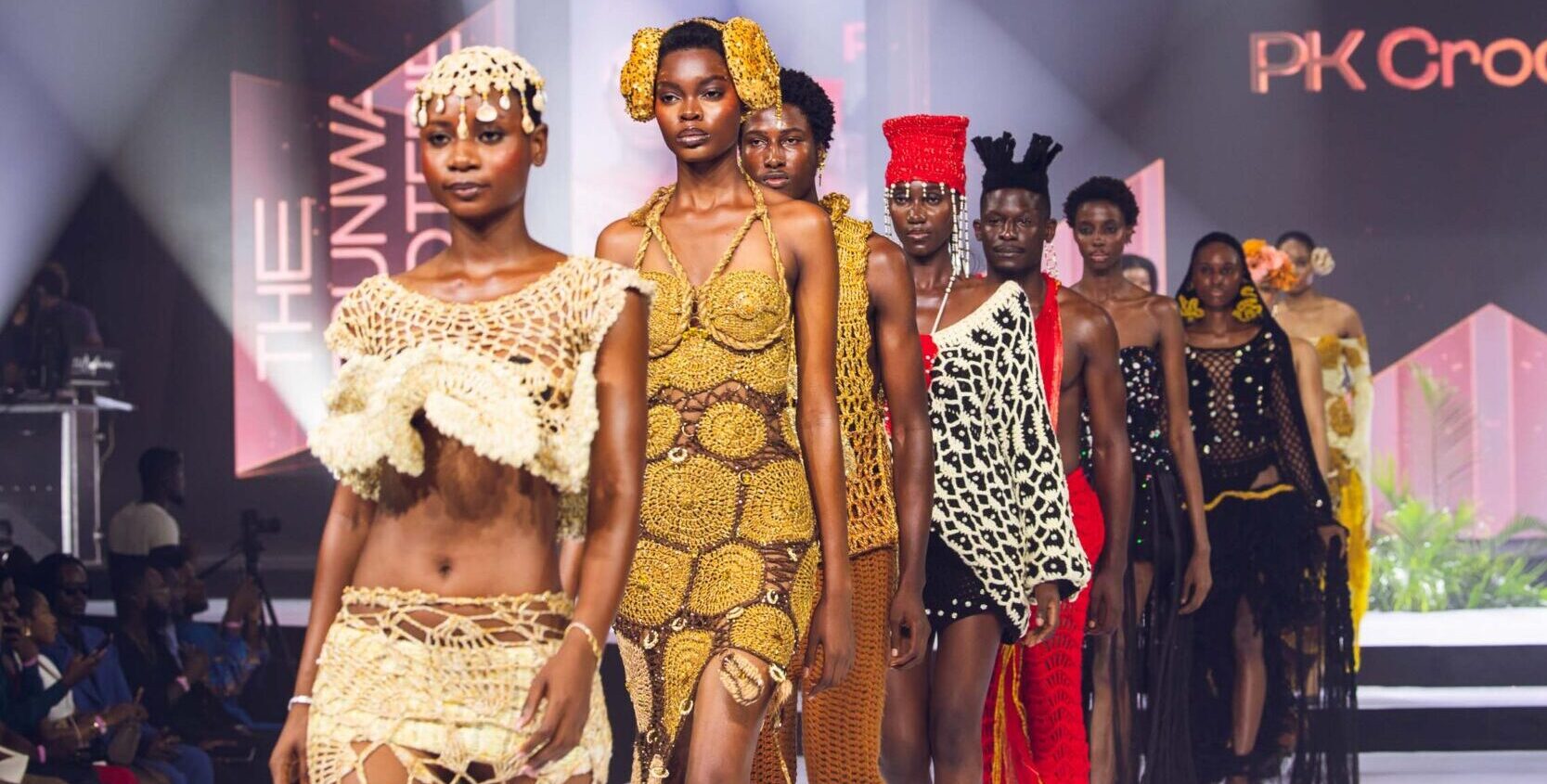
The AMVCA weekend recently showcased African designers in a way that currently has the global imagination in a collective chokehold. The sheer brilliance, consistency, and relentless effort of creators, both emerging and established, who dominated the red carpet with architectural precision and avant-garde storytelling, brings the critical reality of fashion beyond the red carpet to the fore.
While these stunning moments are applauded for deepening the conversation on why African designers are taking centre stage globally, they also reveal an urgent need to structure the systems, value chains, and the entire logistics and workforce behind every seam that holds us in awe. This high-visibility moment is merely the entry point into a complex network that serves as the true engine of the continent’s creative economy.
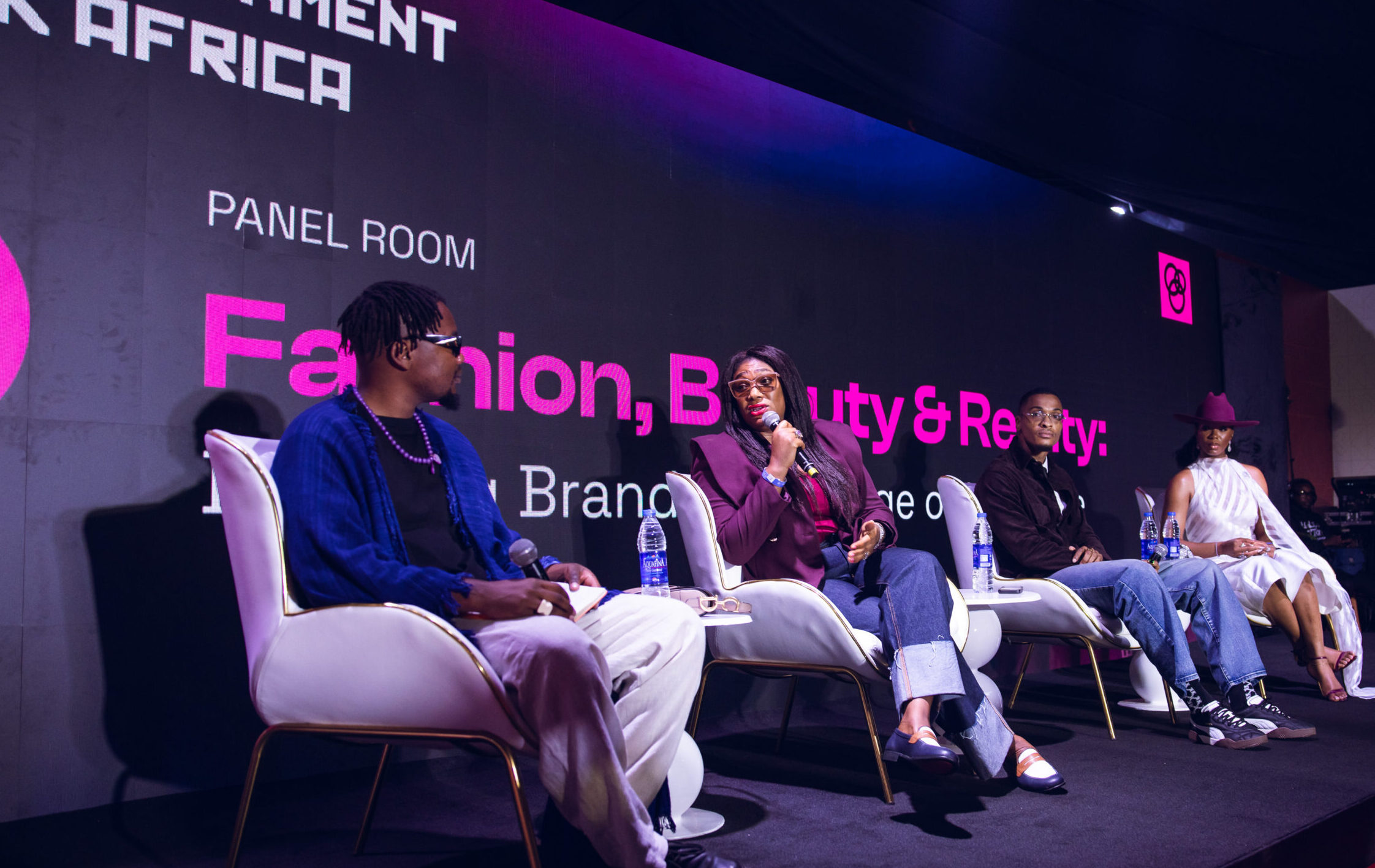
The surge in visibility anchors a fashion sector that UNESCO projections suggest could add $15.5 billion to the continent’s exports annually. However, for this creative “Art” to be underpinned by a robust “Fortune,” the industry must move beyond the silhouette and into the mechanics of long-term structural survival. This shift from apparel to infrastructure is the core mission of the Entertainment Week Africa (EWA)Fashion Lab and the Runway Coterie.
For a brand to achieve global resonance, the internal structures must be as resilient as the external designs are beautiful.
The recent digital buzz following the AMVCAs has only amplified this urgency, sparking a viral debate on Instagram that pulled back the curtain on the industry’s friction. Fashion entrepreneur Tessy Oliseh-Amaize sparked a necessary dialogue by challenging the “illusion” of the red carpet, noting that fashion is not only about creativity but also about structure, systems, and standards.
EWA Runway Coterie Alumna Ejiro Amos Tafiri agrees, validating the sentiment that visibility without a corresponding system is a fragile win.
This reality is felt daily in the workrooms of manufacturers like Nneamaka Nwosisi, who highlighted the raw struggle of the “invisible” work:
“We are battling poor infrastructure, inconsistent workmanship, lack of skilled artisans, expensive machinery, unstable power supply, low buying power, and lack of funding… Many of us have to be the creative director, production manager, HR, marketer, content creator, and business strategist at the same time just to survive and pay our workers.”
While the red carpet serves as a vital megaphone, the “so what” of the fashion upsurge lies in how that noise is converted into a sustainable machine. Designer Eki Kere countered that this machine must be uniquely African, rather than a mirror of Western ready-to-wear models:
“The Nigerian fashion industry is still evolving, which means we actually have an opportunity to think differently from the beginning, more intentionally, more sustainably, and more culturally rooted… Every strong fashion capital today once had a period where designers mainly used cultural moments to showcase their work before the commercial structure fully matured.”
Actor Jide Kene further noted that sustainability requires moving past the gown: “Proper research and approach is to understand what we need not highlight what the government would never do for us… We need to collaborate more in movies and not only on red carpet.”
This sentiment is echoed by Daffe Umute, who argues that mass participation is the only way forward:
“Nigerian designers and brands need to build commercially accessible fashion alongside couture and celebrity pieces. That is how industries grow; through mass participation, commercial demand, job creation, and circulation of profit within the country.”
The challenge, then, is bridging this gap between the extraordinary one-off and the commercially accessible system, a transition the EWA Runway Coterie was designed to facilitate. We see the Coterie as the funnel where creative vision is stress-tested against industrial discipline.
Temilayo Osude of Nitemi frames this as a commitment to “non-negotiables,” refusing to compromise on finishes even when local production costs are volatile. This refusal to compromise is what separates a seasonal trend from a legacy brand. Scaling African fashion from a promising label to an iconic global house is a technical feat of engineering.
The transition depends on deliberate architectural choices that ensure the industry’s value is protected long after the final applause fades. We are documenting an evolution and centering the architects who build the economic and structural framework of African fashion.