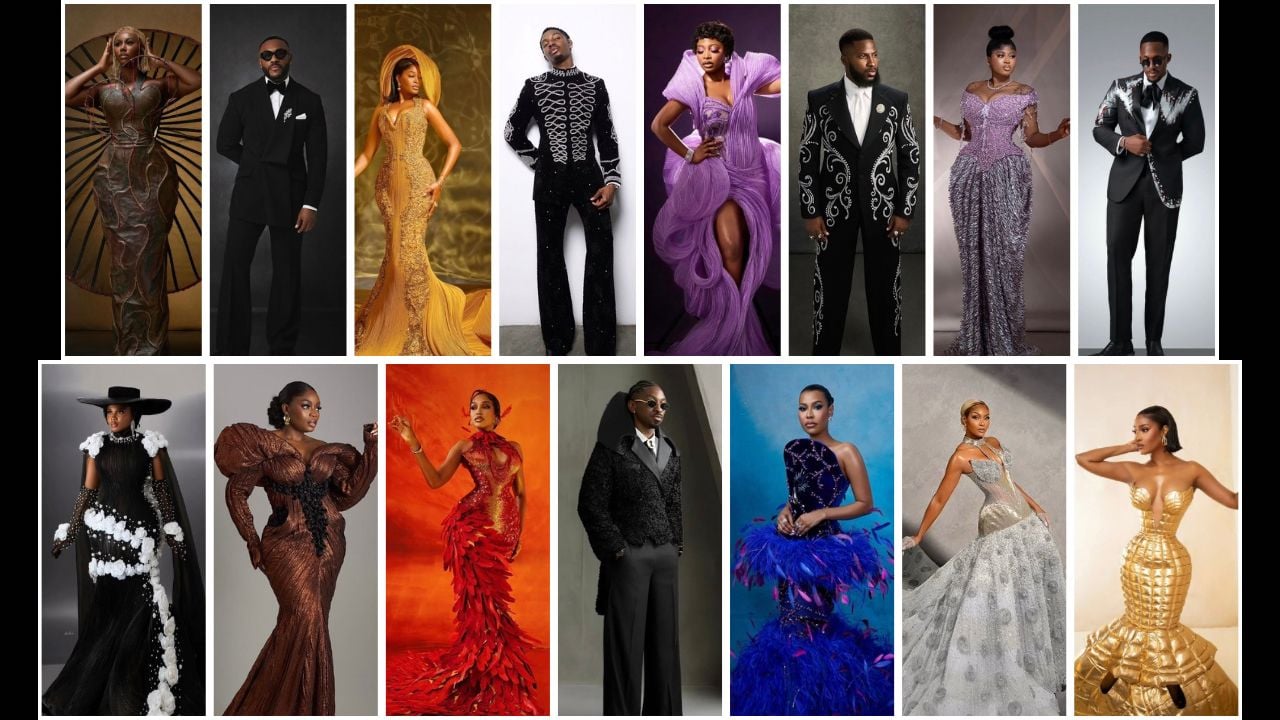
The global fashion as art momentum serves as a high-visibility mirror for the technical and structural renaissance currently occurring across the African continent. As the world marvels at these sculptural silhouettes, a deeper conversation is unfolding within the African fashion industry, a sector currently valued at $31 billion with projections to exceed $50 billion by 2030.
For the Entertainment Week Africa (EWA) Fashion Lab, our mission is to ensure this creative “Art” is underpinned by a robust economic and structural “Fortune.” In the 2025 cycle of EWA Fashion Lab, over 1,000 entries came in from across Africa, signaling a massive surge in emerging African designers seeking institutional support and creative visibility.
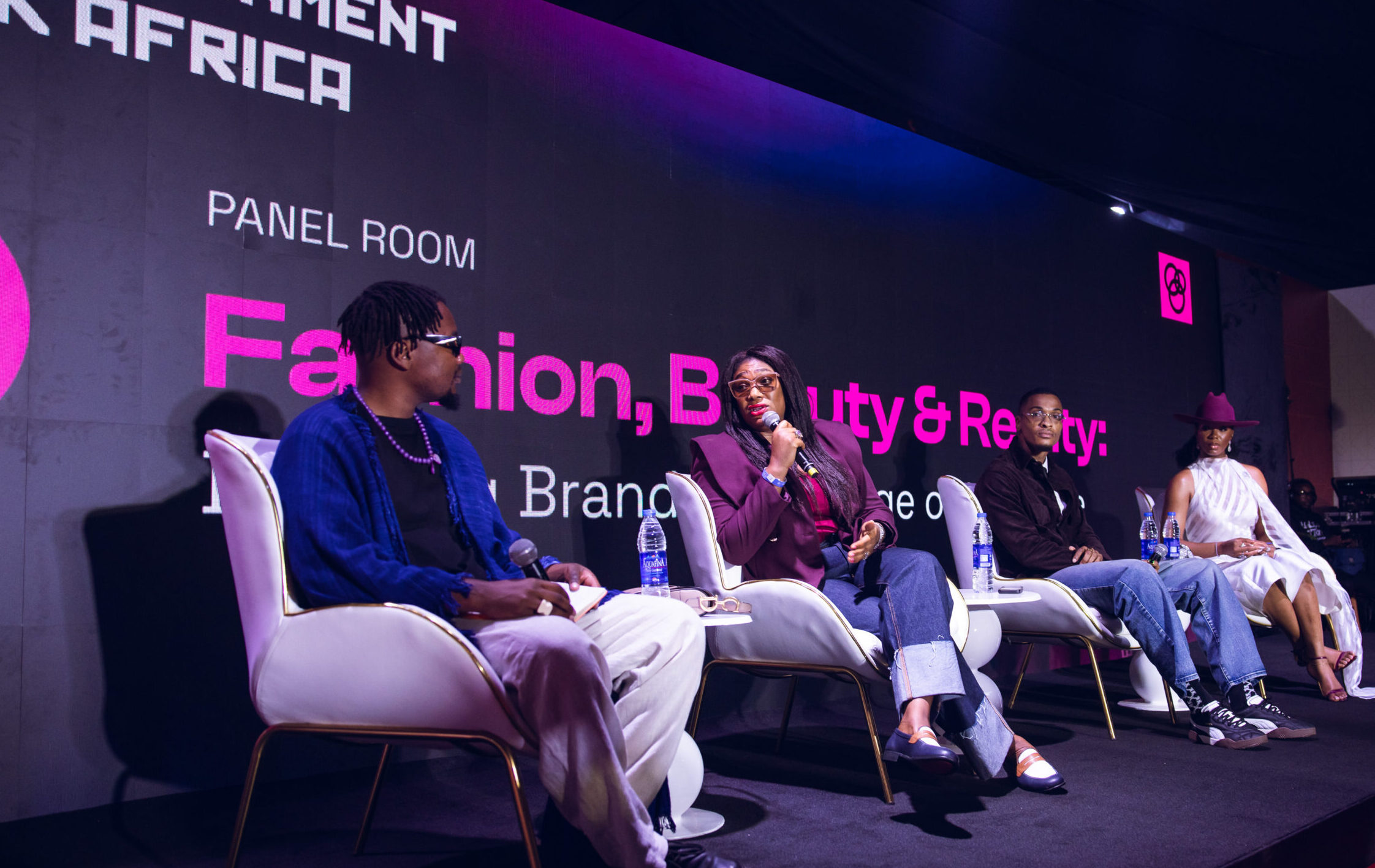
To address the gravity of this surge, we explored “Fashion, Fortune & Fulfilment: The Economic & Structural Challenges of Maintaining an Iconic Brand.” This Entertainment Week Africa panel moved the dialogue beyond aesthetics into the mechanics of long-term survival in the Nigerian creative economy.
Maintaining an iconic brand requires a shift from viewing fashion as mere apparel to treating it as critical infrastructure. This involves the mastery of “the middle”, the complex space between creative inspiration and industrial output. For a brand to achieve global resonance, the internal structures must be as resilient as the external designs are beautiful. This requires a synergy where logistics, supply chain stability, and capital efficiency support the artistic vision.
This industrial discipline is best reflected in the operational choices of our homegrown talent. Temilayo Osude, the designer behind Nitemi the Label and a Runway Coterie alumna, frames brand identity as a primary business asset. On the balance between profitability and brand DNA, Osude stated:
“My non-negotiable is my brand identity… the thing that makes my brand special. I do not compromise on the quality of the fabric, on the quality of our finishes, and the quality of production. You also have to look at investing in local markets and local productivity because a lot of things are imported… you spend a lot of money if you do not look inward.”
This inward focus is a strategic response to the infrastructure challenges that continue to affect value within Nigeria’s $4.7 billion domestic fashion market. Beyond local production, the path to longevity further depends on the architectural choices a brand makes in the global marketplace.
Scaling African luxury fashion from a promising label to an iconic global brand requires what Niyi Okuboyejo describes as a “reason for being.” He highlighted that a brand must justify its existence in a marketplace already saturated with thousands of labels. The economic structure of a brand, whether it is Direct-to-Consumer (DTC), Wholesale, or a Hybrid model, is a deliberate choice that dictates long-term ROI for fashion investors.
While Nigerian designers achieve unprecedented global visibility, the “structural challenge” lies in the middle, the gap between a brilliant sketch and a retail-ready product that meets international quality standards. Success requires treating fashion as a technical feat of engineering where logistics, intellectual property, and supply chain resilience are as vital as the design itself. This shift from pure creativity to industrial capacity creates a natural entry point for institutional investment.
The arrival of venture capital within the African creative space introduces a necessary layer of data-driven discipline. Abubakar Sanusi pointed out that for a sustainable fashion business, understanding a specific market niche is the most important factor for success.
This strategic focus is one of the ways The Runway Coterie serves as a vital funnel for the industry. From the 1,000+ applications received, EWA shortlisted 10 new designers for the EWA Fashion Lab, including: PK Crochet, Yahaya, David Black, Josh Amor, Nex by Necca, Dust of the Earth, Korede James, Samuel Bernard, and Made by Nayo.
These emerging architects join an elite network of alumni including Ayopearla, Lavish, Kamsi T Charles, JZO, Sevon Dejana, Scqueeze, and Aso.
This year, the mission is to scale this impact further, creating access for more designers and beauty entrepreneurs in Nigeria. We are documenting an evolution and centering the architects who build the economic and structural framework of African fashion.
The world may marvel at the culture and the sculpture found on our stages, but the true accomplishment at EWA is the economic framework being engineered behind the scenes.